The Boundaries of Objectivity
Exploring a Problem Space with Darren Lott
Pareidolia
Epiphany versus Apophany May, 2024
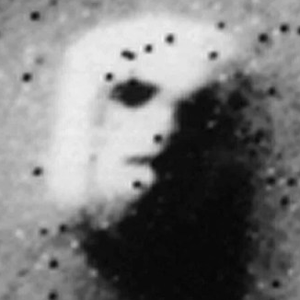
Apophenia is a common vulnerability of human brain function. It is the misattribution of meaningful patterns within unrelated data. Taken to extremes, it forms the basis of schizophrenia, where a person is increasingly detached from reality. We risk being wrong whenever we assign meaning to a newly detected pattern. But risk is required for discovery, innovation, and the general exploration of reality.
Forbidden Knowledge
Banished from Eden June, 2024
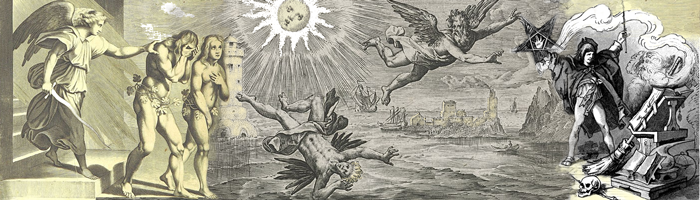
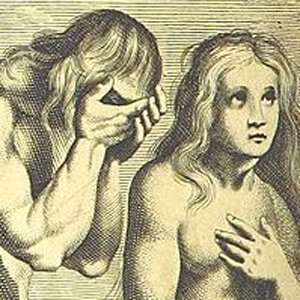
In the beginning... we were warned against knowing certain things. The "Fall of Man" and expulsion from the Garden of Eden, however, is less about the effects of certain types of information, but rather the price for disobedience. Before eating fruit from the tree of "knowlege of good and evil" how did Adam and Eve know how to be good? They followed God unquestioningly, instead of trying to make moral decisions themselves. The Fall can be seen as a parable of Adam and Eve believing they could be "like God" by their own will and effort, through knowledge.
Doomsday Mechanism
Flirting with Disaster July, 2024
Philosopher Stones
Not All that Glitters June, 2026
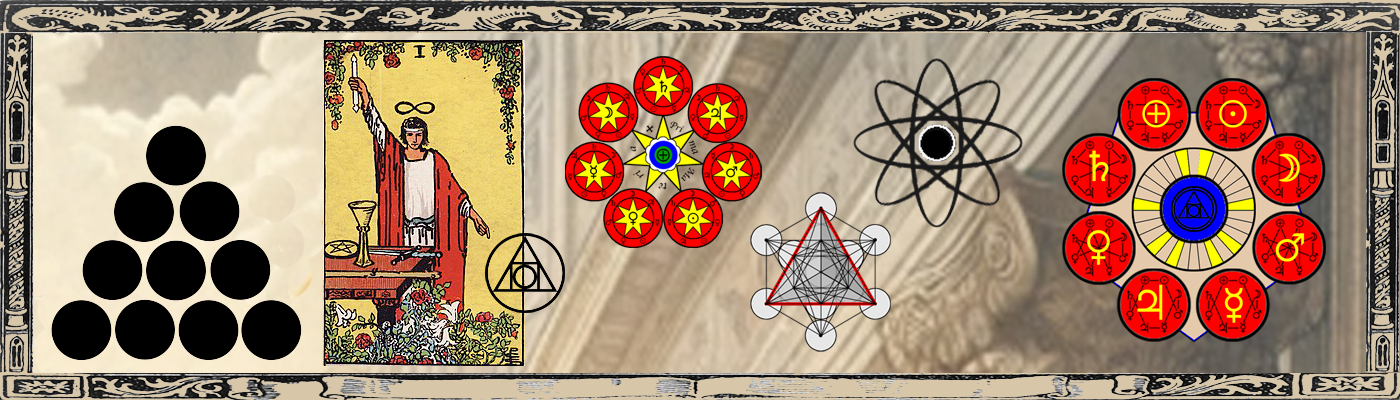
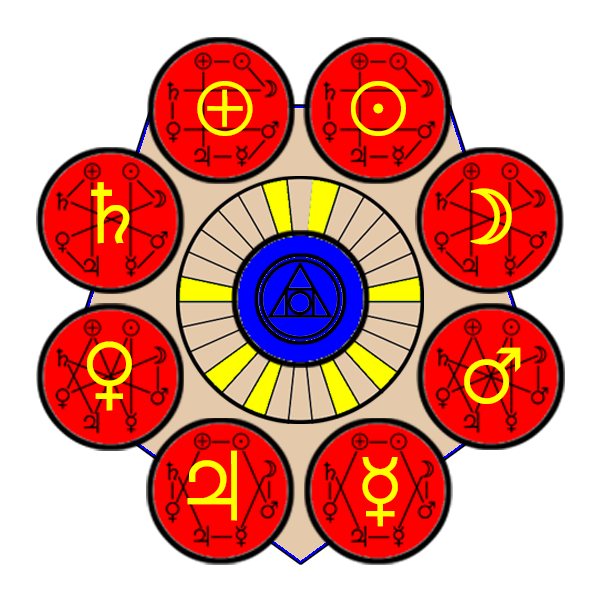
Until I stumbled across Isaac Newton's unpublished writing on Alchemy, I really had little interest in what I considered a failed pseudo science. The Philosopher's Stone seemed like other mythical objects that have a basis in human desire, but not in reality. There is an actual Boundary of Objectivity, and I believed history had sorted the Philosopher's Stone irrevocably to the subjective side. Alchemy is pursued today only as "spiritual alchemy."
This article provides a conclusion to the Prime Clock Odyssey.
Darren Lott
I graduated from UCLA with a custom major: "The Interrelation of Conceptual Structures." Two years later UCSD established the first "Cognitive Science" department, mirroring my curriculum. That takes explaining: To stay ahead of the game, I don't accept common approaches to unsolved problems. As a consequence, I've made fundamental discoveries. And I would like to share them with you.
Algorithms


Artificial Intelligence


Alchemy


Concepts -
Boundaries of Objectivity Alchemy Prophetic Vision Synchronicity Collective Unconscious Epiphany Natural Philosophy Armillary Sphere Conceptual Structures Language Epistemology Ontology Consciousness Intelligence Complexity Abstract Reasoning Classic AI Probabilistic AI Prime Numbers Traveling Salesman Prime Clock